

1
Hair loss category
We begin with pattern. You identify whether your loss looks like pattern thinning, telogen shedding, areata patches, scarring, or something you are unsure about. This shapes which regimen track is safest to start with.
Scalp Renewal turns a structured hair loss assessment into a staged natural regimen you can follow, measure, and adjust, week by week.
Scalp Renewal is an educational hair and scalp care program. It uses a guided online assessment to understand your hair loss pattern, severity, scalp condition, history, and daily routine, then builds a multi-level natural regimen matched to what you told us.
The program is not a diagnosis and does not replace a dermatologist or other qualified clinician. It is designed for people who want a clear, structured, evidence-informed plan for supporting scalp health and hair density over months, with built-in checkpoints that flag when professional evaluation is the right next step.
The assessment takes about ten minutes. Answers are saved as you go, so you can stop and return. Multi-select responses are supported, and your plan regenerates automatically whenever you change something.
We begin with pattern. You identify whether your loss looks like pattern thinning, telogen shedding, areata patches, scarring, or something you are unsure about. This shapes which regimen track is safest to start with.

Mild, moderate, or advanced. Your most advanced answer sets the starting regimen level. Advanced thinning needs calming before stimulation, so this step protects you from jumping too fast.

Choose the approach that fits your comfort and routine, classical natural remedies, botanical topicals, essential oil scalp therapy, nutrition support, or a combined program.

Itch, flaking, tenderness, redness, and sudden patchy loss all change the plan. This step catches signs that should be evaluated clinically before any regimen begins.
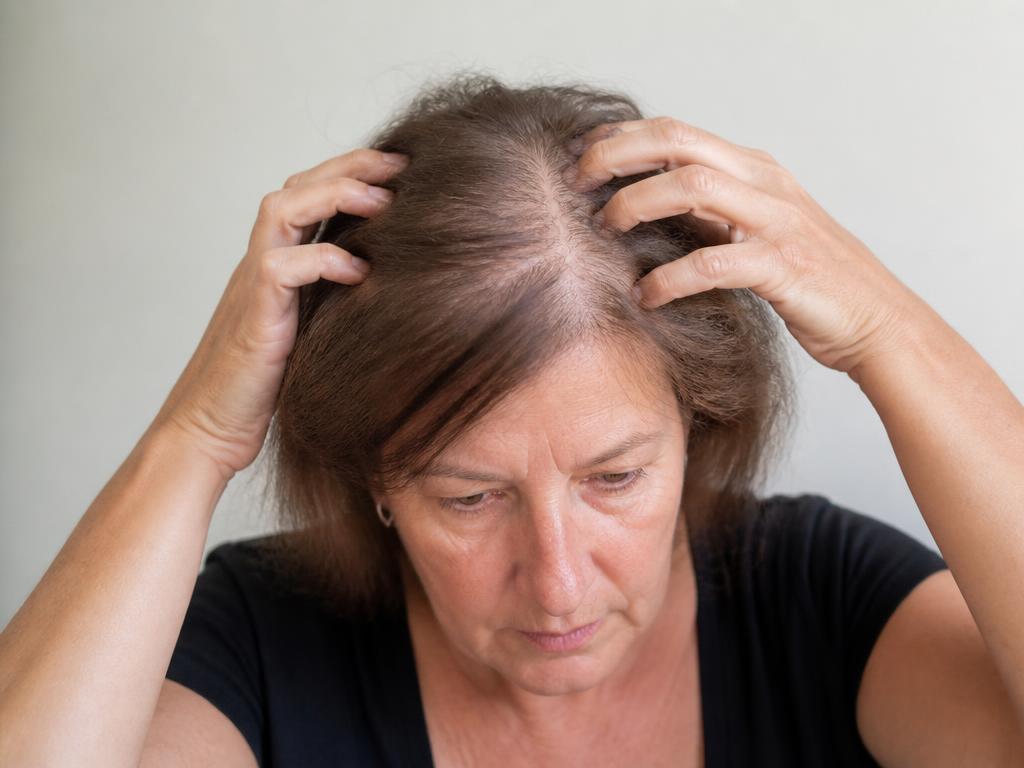
Recent illness, medication changes, hormonal shifts, protective styling, relaxers, and family patterns help explain why shedding is happening and which supports are most relevant.
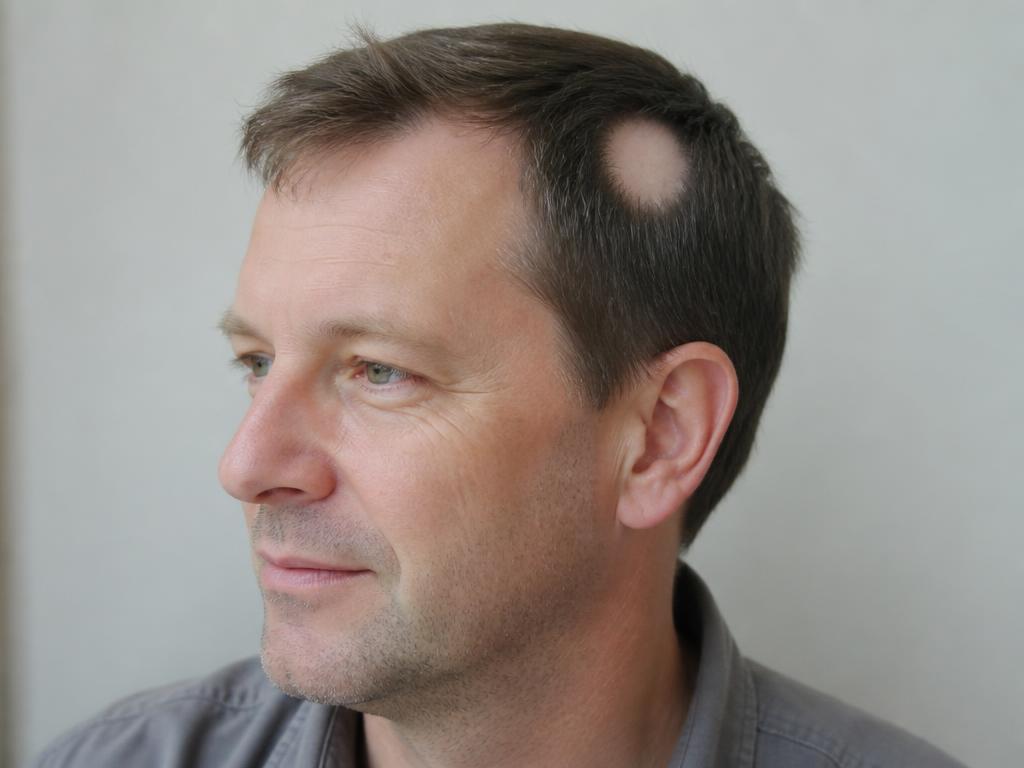
Stress, sleep, nutrition, wash frequency, and how much time you can realistically spend each week. A plan you will not follow is not a plan at all.
Private, timestamped photos give you a baseline to compare against in four to eight weeks. They are optional, encrypted at rest, and only visible to you.
Receive your leveled regimen
A Level 1-5 plan is generated from your most advanced severity and every treatment approach you selected. Each level has a clear goal and duration.
Follow the weekly protocol
Your dashboard shows the current level, daily and weekly steps, product or remedy guidance, and the rationale for each stage.
Check in every four weeks
Log shedding, regrowth, adherence, and a progress photo. Your timeline shows whether to hold, advance, or discuss your results with a clinician.
Review and adjust
Plateaus, red flags, and worsening shedding trigger clear guidance, including a reminder to seek professional evaluation when appropriate.
Every regimen starts from a structured six-step assessment, category, severity, symptoms, medical history, lifestyle, and treatment preference, not from a product catalogue.
Regimens are staged across five levels so each phase has a clear goal: stabilise shedding, stimulate follicles, then restore density. A plateau tells you when to advance.
Monthly photos and check-ins turn a subjective worry into a visible trend line. Decisions get made on data, not on a bad-hair day.
Natural and botanical care is complementary. When your assessment flags scarring or autoimmune features, we tell you to see a clinician rather than sell you a stronger level.